
Quick answer
Koh Kood snorkeling spots center on five primary zones: Ao Yai's shallow coral gardens in the northwest, Ao Phrao's seagrass beds on the west coast, Bang Bao Bay's rock formations in the southwest, Ao Tapao's sandy-bottom transition zone on the east, and the northern headland reefs near Khlong Chao. Public beach access is free, and the best visibility occurs between 09:00 and 14:00 when sunlight penetrates deepest.
Koh Kood's underwater topography divides into distinct ecological zones shaped by tidal flow, substrate type, and exposure to the open gulf. The northwest coast presents the densest coral coverage, with hard coral formations extending 20 to 40 meters from shore at Ao Yai. Water depth here ranges from one to four meters at high tide, making it accessible to swimmers of all skill levels. Visibility typically reaches eight to twelve meters during the dry season months of November through April, when sediment runoff from the island's interior streams drops to near zero. The western shoreline at Ao Phrao transitions from coral to seagrass meadows, an ecosystem that supports juvenile fish populations and occasional sea turtle sightings. This bay's sheltered position reduces wave action, maintaining calmer surface conditions even during northeast monsoon periods. Snorkelers here encounter parrotfish, angelfish, and dense schools of silversides that move through the grass beds in coordinated formations. The substrate shifts from sand to fragmented coral rubble as you move south toward Bang Bao Bay, where granite boulder fields create vertical relief and shade-dwelling species. Ao Tapao on the eastern shore offers a contrast: sandy bottoms with scattered coral bommies rising one to two meters above the seafloor. These isolated structures concentrate marine life in predictable locations, simplifying underwater navigation for first-time visitors. The bay's exposure to morning sun makes it the logical first stop when planning a multi-site day. Northern headland reefs near Khlong Chao waterfall's outlet present the most complex terrain, with depth dropping to six meters within 30 meters of shore. Strong swimmers find intact table corals and barrel sponges here, though currents can accelerate during tidal changes. Each koh kood snorkeling spots zone responds differently to seasonal patterns. Plankton blooms between May and October reduce visibility gulf-wide but increase nutrient flow that attracts manta rays and whale sharks to deeper channels beyond snorkeling range. Local dive operators report that these pelagic species pass within 200 meters of the northern reefs during full moon phases, though shore-based snorkelers remain too shallow to intercept them. The island's limited infrastructure means no commercial snorkel tour saturation—most sites see fewer than a dozen visitors per day outside Thai holiday weekends.
“The island's position away from major shipping lanes has preserved reef structures that attract both novice snorkelers and marine researchers.”
Top Koh Kood Snorkeling Spots and Reefs
Koh Kood offers a variety of marine environments, ranging from accessible coastal reefs to protected archipelagos teeming with diverse aquatic life. These locations provide distinct underwater perspectives for those exploring the island's coastline.
Ao Tapao
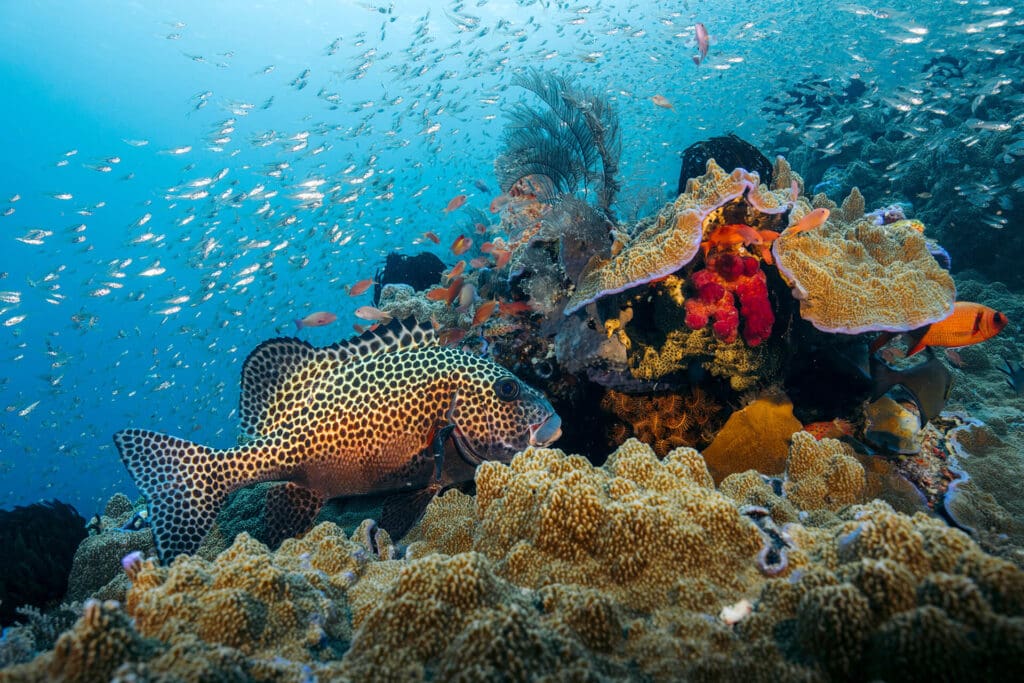
Located on the west coast, this bay features accessible reefs near the shoreline that are suitable for beginners. The clear waters allow for observation of small reef fish and coral formations.
Stay near the rocky northern headland for the best visibility.
Bang Bao Bay
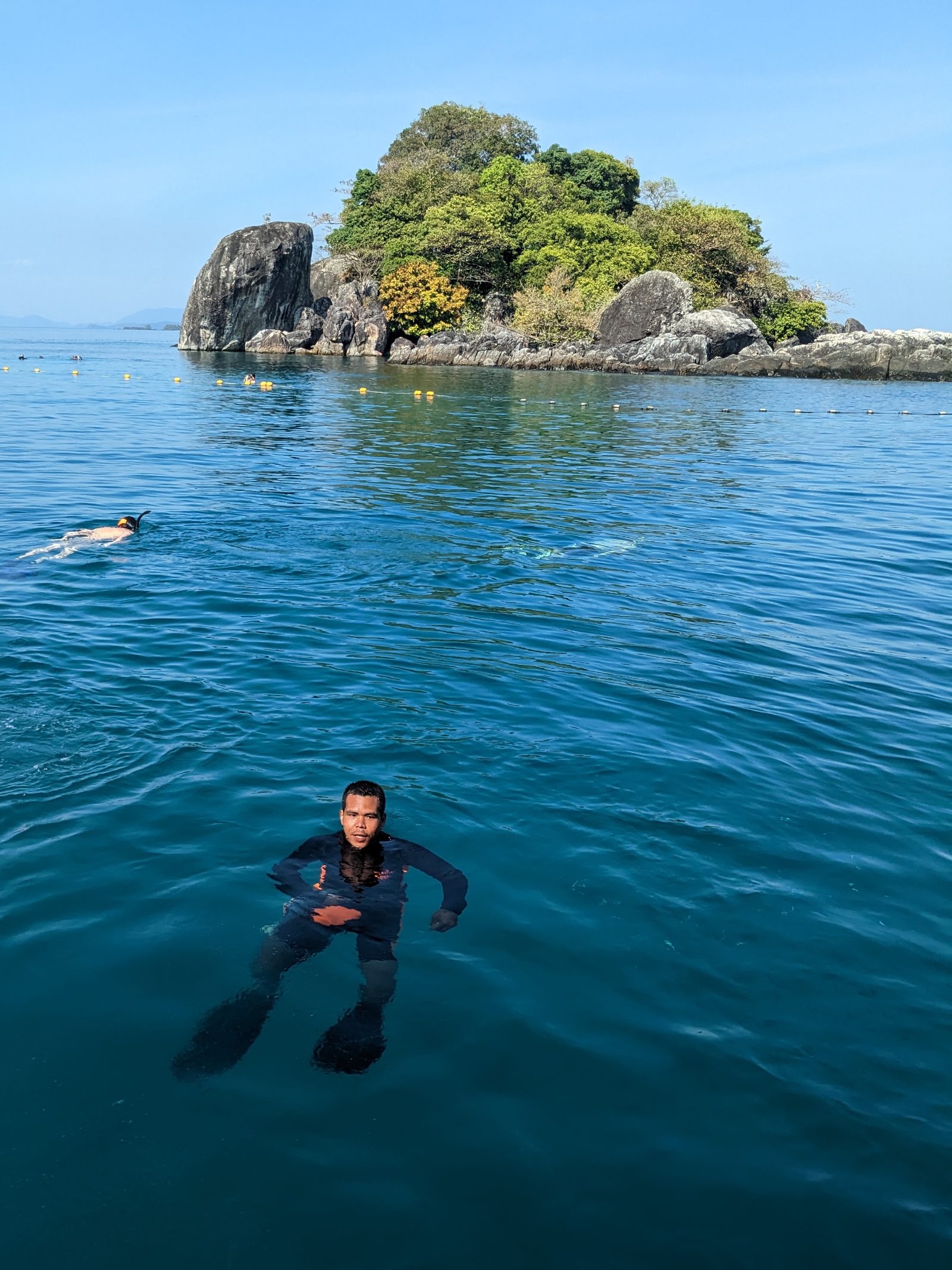
This sheltered bay is known for its calm water conditions and shallow coral patches. It serves as a reliable spot for observing sea life without requiring long travel times.
Swim toward the outer edges of the bay to find healthy corals.
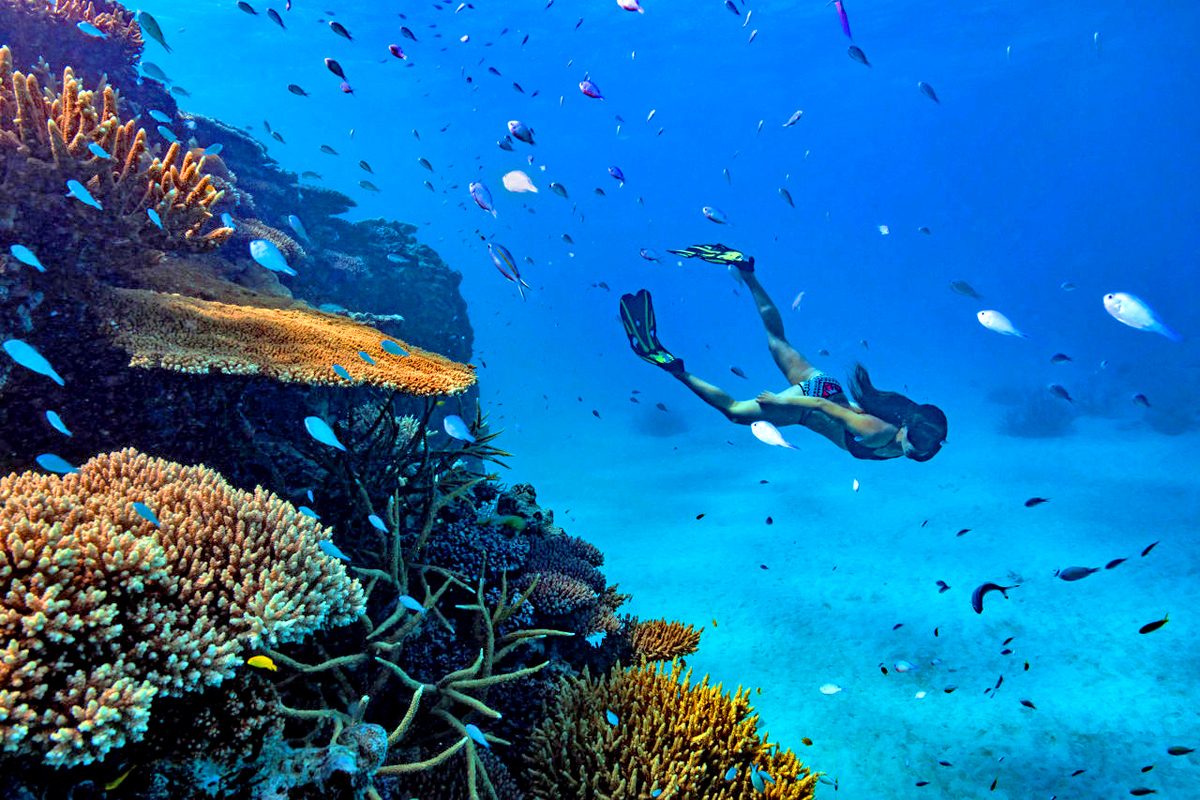
Koh Rang National Marine Park
Situated offshore, this protected area features the clearest water and the highest density of marine life in the region. Visitors frequently encounter schools of colorful fish and diverse coral species.
Visit the smaller surrounding islands for more secluded snorkeling opportunities.
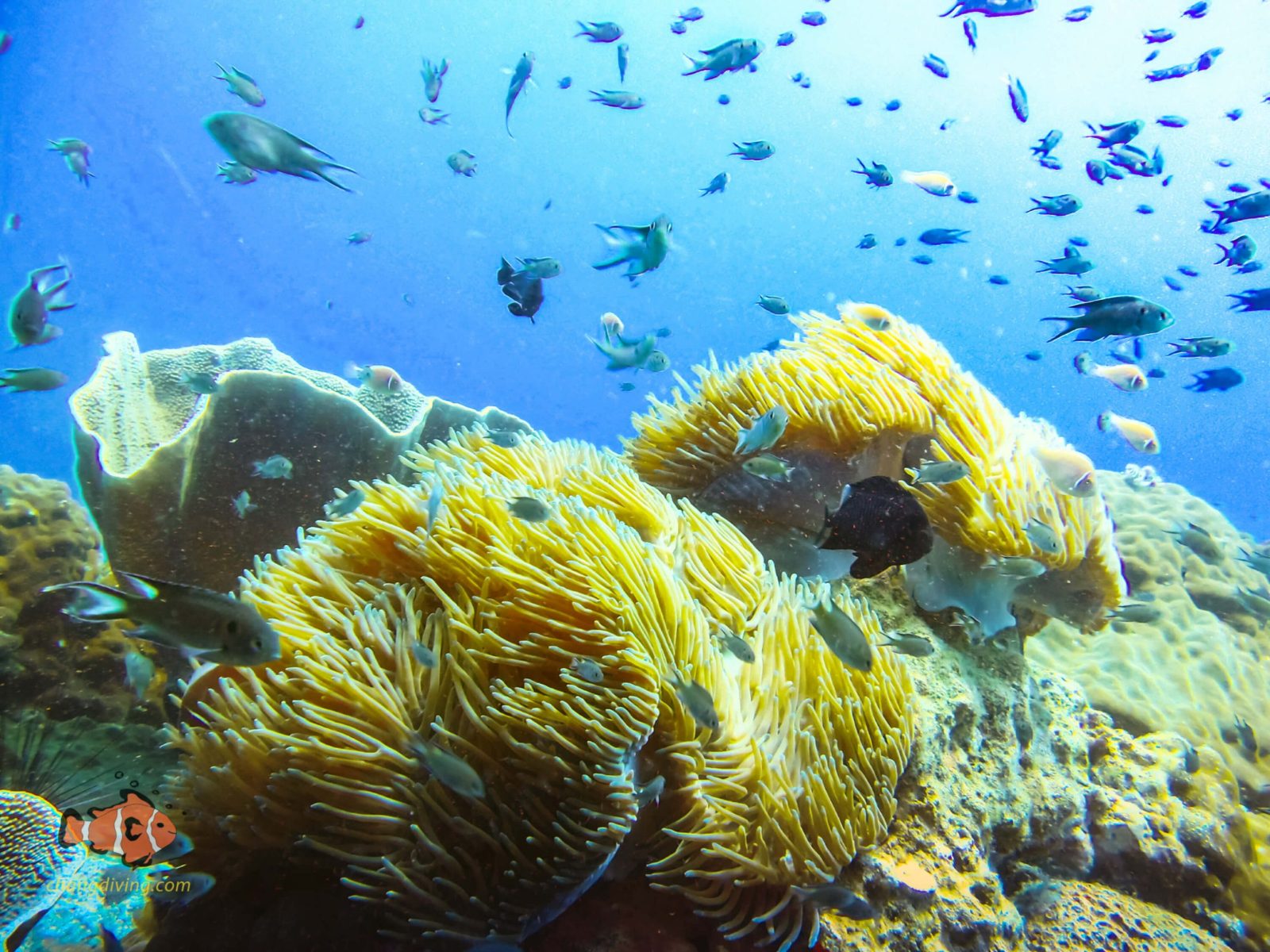
Hin Luk Bat
A submerged pinnacle located between Koh Kood and Koh Mak that attracts larger marine species and experienced swimmers. This site offers more complex topography and deep-water currents.
Use a boat for access and monitor current strength before entering.
Best Time for Koh Kood Snorkeling Spots
The optimal period for snorkeling in Koh Kood is during the dry season from November to April, when water clarity is highest due to calm seas. For daily excursions, the best arrival window is 09:00–14:00 to ensure maximum sunlight penetration.
November to February
Moderate crowdsDry, 26°C to 30°C. Conditions are ideal with clear skies and calm waters.
March to April
Higher crowdsHot, 28°C to 34°C. Excellent visibility persists before the monsoon transition.
May to October
Low crowdsRainy, 25°C to 30°C. Unpredictable seas and reduced visibility; snorkeling is often restricted.
Daily arrival window
Varies by tide—. Plan for 09:00–14:00 to achieve optimal water clarity and visibility.
Verdict: The concrete best slot for snorkeling is between November and April, arriving daily during the 09:00–14:00 window.
Entrance Fees for Koh Kood Snorkeling Spots
Access to snorkeling spots around Koh Kood is managed through public marine areas and island beaches. There are no official entrance fees required to visit these locations.
A typical adult pays 0 THB for entry, though private boat charters or tour equipment rentals may incur separate costs.
Opening Hours of Koh Kood Snorkeling Spots
Public snorkeling spots around Koh Kood are accessible at all times, allowing visitors to enter marine areas throughout the day and night.
| Monday | 00:00–23:59 | |
|---|---|---|
| Tuesday | 00:00–23:59 | |
| Wednesday | 00:00–23:59 | |
| Thursday | 00:00–23:59 | |
| Friday | 00:00–23:59 | |
| Saturday | 00:00–23:59 | |
| Sunday | 00:00–23:59 |
Getting to Koh Kood Snorkeling Spots
Koh Kood is located in Trat province, Thailand, and is accessible primarily by boat from the mainland. Once on the island, travel to specific snorkeling locations is facilitated by local road transport or organized sea excursions.
Ferry from Laem Sok Pier to Koh Kood
Rental or taxi along the island's main road
Private or group snorkeling charter from local piers
Preparation Checklist for Koh Kood Snorkeling Spots
Prepare these essentials before heading to Koh Kood's snorkeling sites to ensure safe and productive reef exploration.
-
Pack reef-safe sunscreen — Chemical sunscreens damage coral; mineral-based alternatives protect both skin and marine ecosystems.
-
Bring your own snorkel gear — Rental availability varies by beach; personal equipment ensures proper fit and hygiene.
-
Carry an underwater camera or housing — Koh Kood's reefs host diverse marine life worth documenting for identification and memories.
-
Download offline maps of the island — Mobile coverage is limited in remote areas; offline navigation prevents getting lost between sites.
-
Pack a dry bag for valuables — Beach theft is rare but possible; waterproof storage protects phones, wallets, and car keys.
-
Wear water shoes or reef boosters — Sharp coral and sea urchins are common; foot protection prevents painful cuts and stings.
-
Bring drinking water and snacks — Few vendors operate at secluded beaches; hydration and energy are essential for multi-site visits.
Check availability
Frequently asked questions about koh kood snorkeling spots
Everything you need to know about koh kood snorkeling spots