

Quick answer
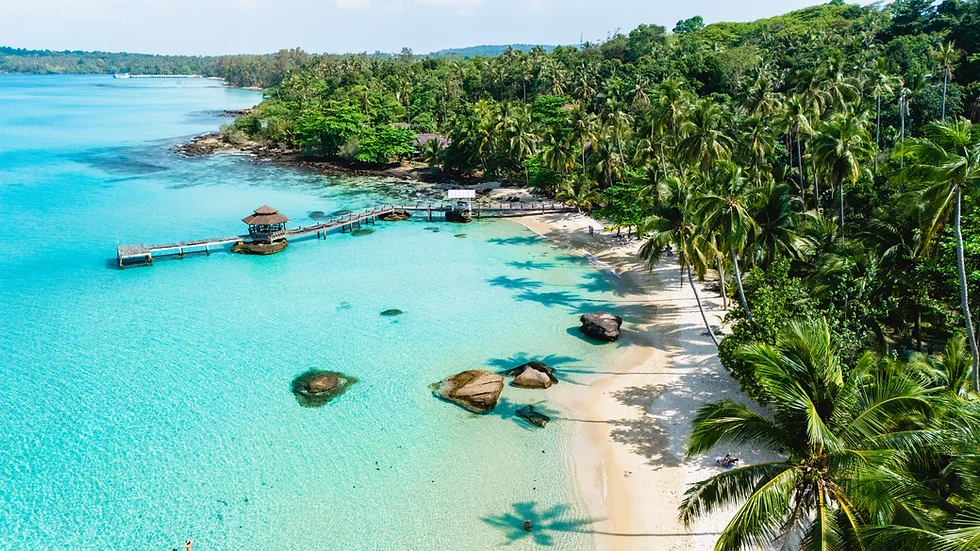
Public beaches on Koh Kood including Bang Bao Beach and Ao Noi offer free shore access for snorkeling daily from 00:00 to 23:59, with the best underwater visibility occurring between 09:00 and 15:00 when sunlight penetrates most effectively and water conditions remain calm. Entry is unrestricted, no permits or fees apply, and the reefs start within swimming distance of the sand.
Koh Kood's eastern and southern coastlines shelter intact coral gardens within thirty meters of the beach, a geographic advantage that eliminates the need for boat transport on most snorkel outings. Unlike Thailand's busier islands where accessible reefs have been trampled or bleached, Koh Kood's limited development and low visitor density have preserved hard coral formations, sea grass beds, and the resident fish populations that depend on them. Snorkeling from the beach on Koh Kood requires attention to two variables: light angle and water clarity. The island's fringing reefs occupy shallow depths where visibility depends directly on sun position. Early morning and late afternoon bring angled rays that flatten color and reduce contrast; midday sun penetrates vertically, illuminating coral structure and fish detail. Monsoon season from May through October stirs sediment and reduces clarity, while the dry months from November through April deliver the sharpest conditions. Bang Bao Beach on the southwest coast provides the most reliable shore entry. The reef begins fifteen meters from the waterline, and the seabed slopes gradually, allowing controlled depth adjustment. Staghorn and table coral dominate the shallows, with sergeant majors, parrotfish, and occasional blacktip reef sharks patrolling the deeper edge. Ao Noi on the northwest coast offers a narrower snorkel corridor but holds denser soft coral coverage and more prolific nudibranchs. Both sites remain accessible year-round, though wave action during southwest monsoons can make Ao Noi's entry hazardous. Public beach access on Koh Kood carries no formal restrictions. No lifeguards patrol these sites, no buoyed swim zones exist, and no equipment rental stations operate on the sand. Snorkelers supply their own masks, fins, and flotation, and navigate without marked routes or safety craft. The autonomy is absolute, and so is the responsibility. Coral contact, whether accidental or deliberate, damages polyps that take years to regenerate. The island's snorkeling from shore remains viable only because its reefs have not yet absorbed the cumulative impact seen elsewhere in the Gulf of Thailand.
“Koh Kood's fringing reefs occupy shallow depths where visibility depends directly on sun position, making midday the only window for sharp underwater detail.”
Top Locations for Koh Kood Snorkeling From Beach
Koh Kood offers accessible shore snorkeling spots where coral reefs and marine life are reachable directly from the sand. These locations allow visitors to observe underwater ecosystems without the need for boat excursions.
Bang Bao Beach
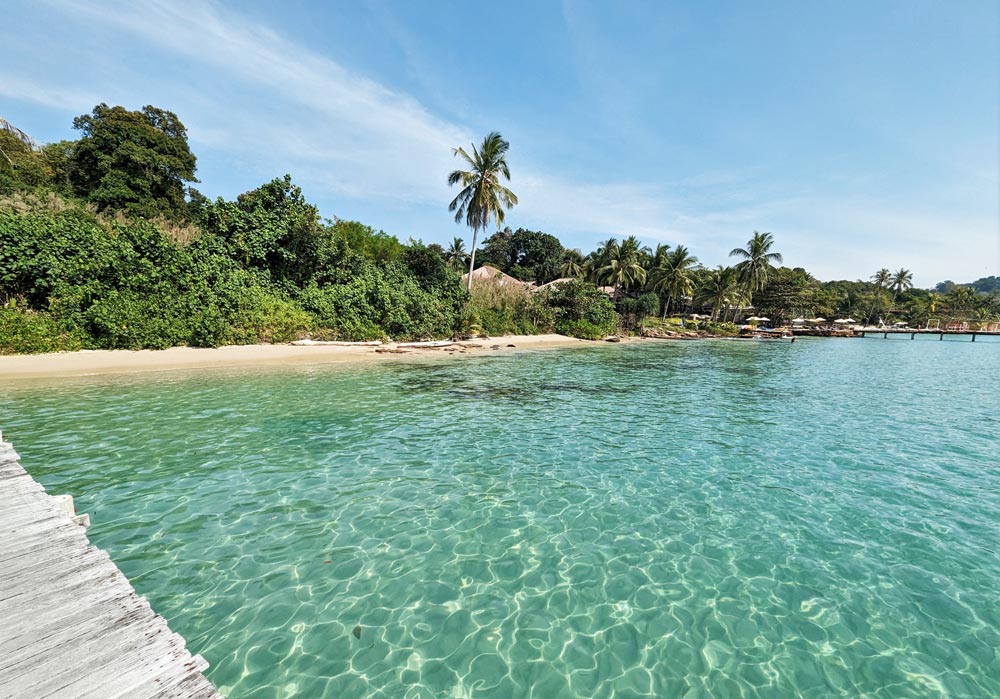
This protected bay features calm, clear water and coral patches situated a short swim from the shoreline. The sandy bottom gradually gives way to rocky outcrops hosting various reef fish.
Swim toward the rocky headlands to find higher coral density.

Ao Noi
Known for its quiet atmosphere, this beach provides access to shallow coral formations that are visible even at low tide. The sheltered cove maintains low currents, suitable for shore-based exploration.
Observe the tide levels to avoid shallow rocks near the surface.
Sai Daeng Beach
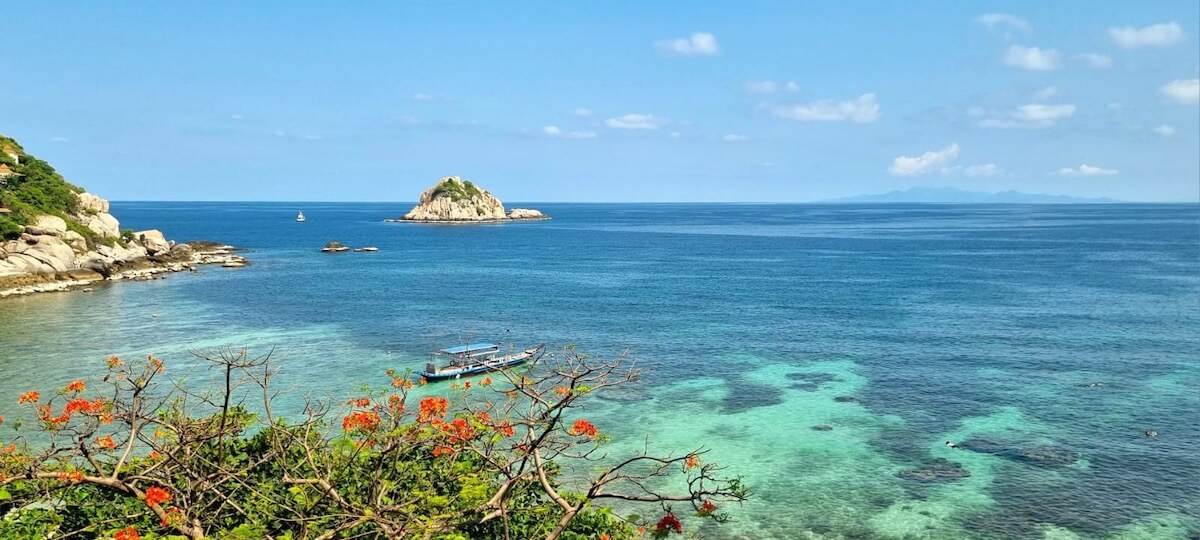
While located on the island, segments of this coastline offer immediate entry to rocky zones inhabited by small schools of fish. The seabed transitions quickly from sand to boulder-strewn areas.
Stay close to the boulders during the high tide window.
Admission Fees for Koh Kood Snorkeling From Beach
Accessing public beaches in Koh Kood for snorkeling activities does not require an admission ticket. There are no entry fees for any visitors wishing to snorkel directly from the shore.
A typical adult pays 0 THB for beach access, as there are no entrance fees for snorkeling from the shore.
Access Hours for Koh Kood Snorkeling From Beach
Public beaches on Koh Kood, including Bang Bao Beach and Ao Noi, are accessible for snorkeling at all hours throughout the week.
| Monday | 00:00–23:59 | |
|---|---|---|
| Tuesday | 00:00–23:59 | |
| Wednesday | 00:00–23:59 | |
| Thursday | 00:00–23:59 | |
| Friday | 00:00–23:59 | |
| Saturday | 00:00–23:59 | |
| Sunday | 00:00–23:59 |
Preparation Checklist for Koh Kood Snorkeling From Beach
Shore snorkeling requires your own gear and attention to water conditions since no boat support is available.
-
Bring your own mask, snorkel, and fins — Beaches lack rental facilities, so personal equipment is essential.
-
Pack reef-safe sunscreen — Protects both your skin and the coral ecosystem from chemical damage.
-
Carry a rash guard or wetsuit — Provides sun protection and prevents scrapes from coral or rocks.
-
Check tide and weather conditions — Low tide exposes sharp coral; rough seas reduce visibility and safety.
-
Bring drinking water and snacks — Remote beaches have limited facilities, so self-sufficiency matters.
-
Plan arrival between 09:00–15:00 — Optimal sunlight penetration ensures the best underwater visibility.
-
Inform someone of your snorkeling location — Solo shore snorkeling carries risk; a safety contact is prudent.
Check availability
Frequently asked questions about koh kood snorkeling from beach
Everything you need to know about koh kood snorkeling from beach